If your AC is not cooling, start by checking what the system is actually doing. A thermostat set to the wrong mode, a clogged filter, restricted airflow, or a blocked outdoor unit may explain the problem. But ice, repeated electrical trips, and refrigerant or compressor faults call for professional attention. The safest first step is to identify the symptom before trying to fix anything.
Quick answer: What to check first
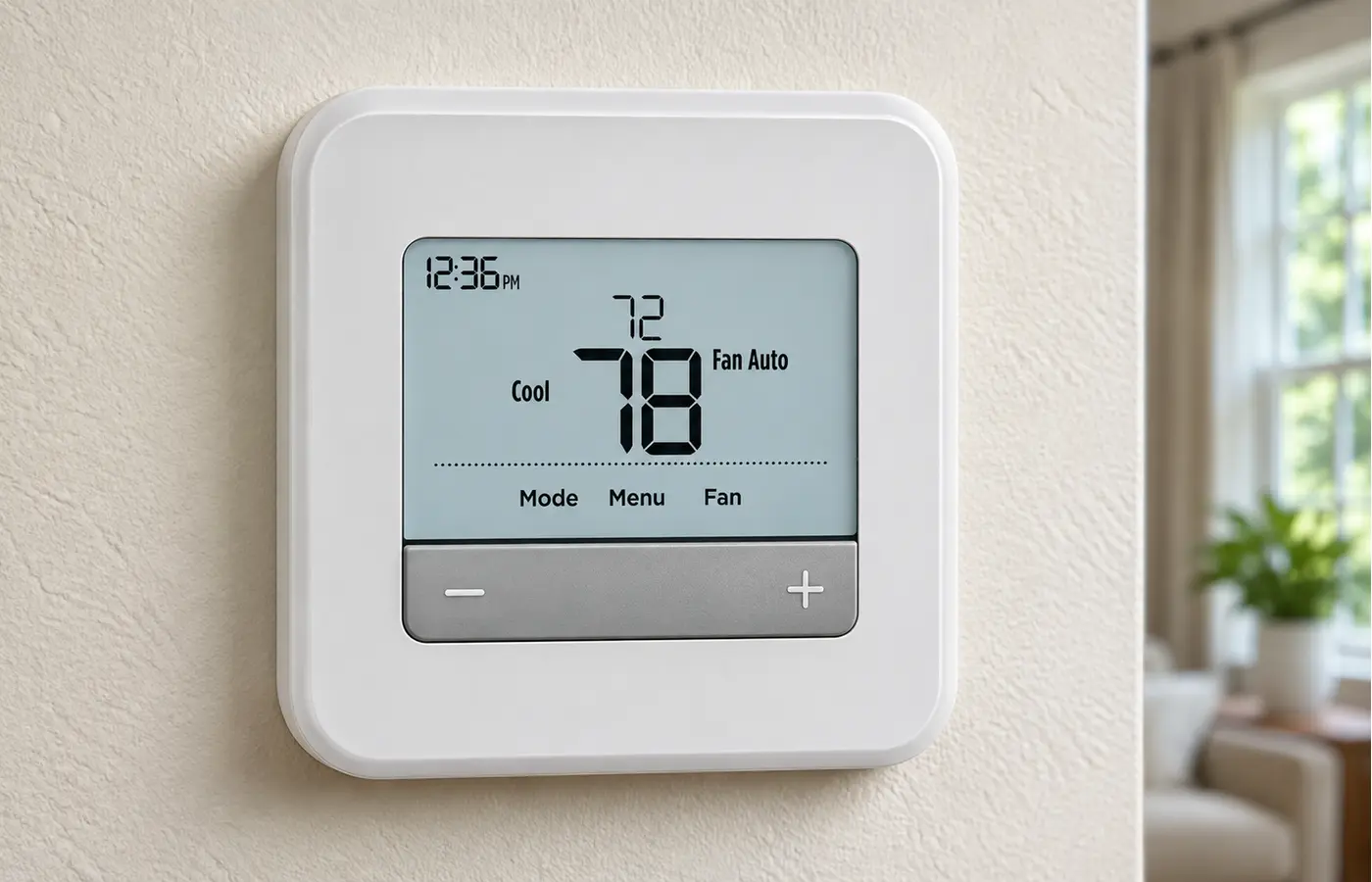
- Make sure the thermostat is set to COOL, with the target temperature below the current room temperature. For a conventional ducted system, check whether the fan is on AUTO rather than continuously ON.
- Check the accessible air filter and replace or clean it as directed by the system manufacturer.
- Make sure return grilles and supply registers are not blocked by furniture, rugs, or stored items.
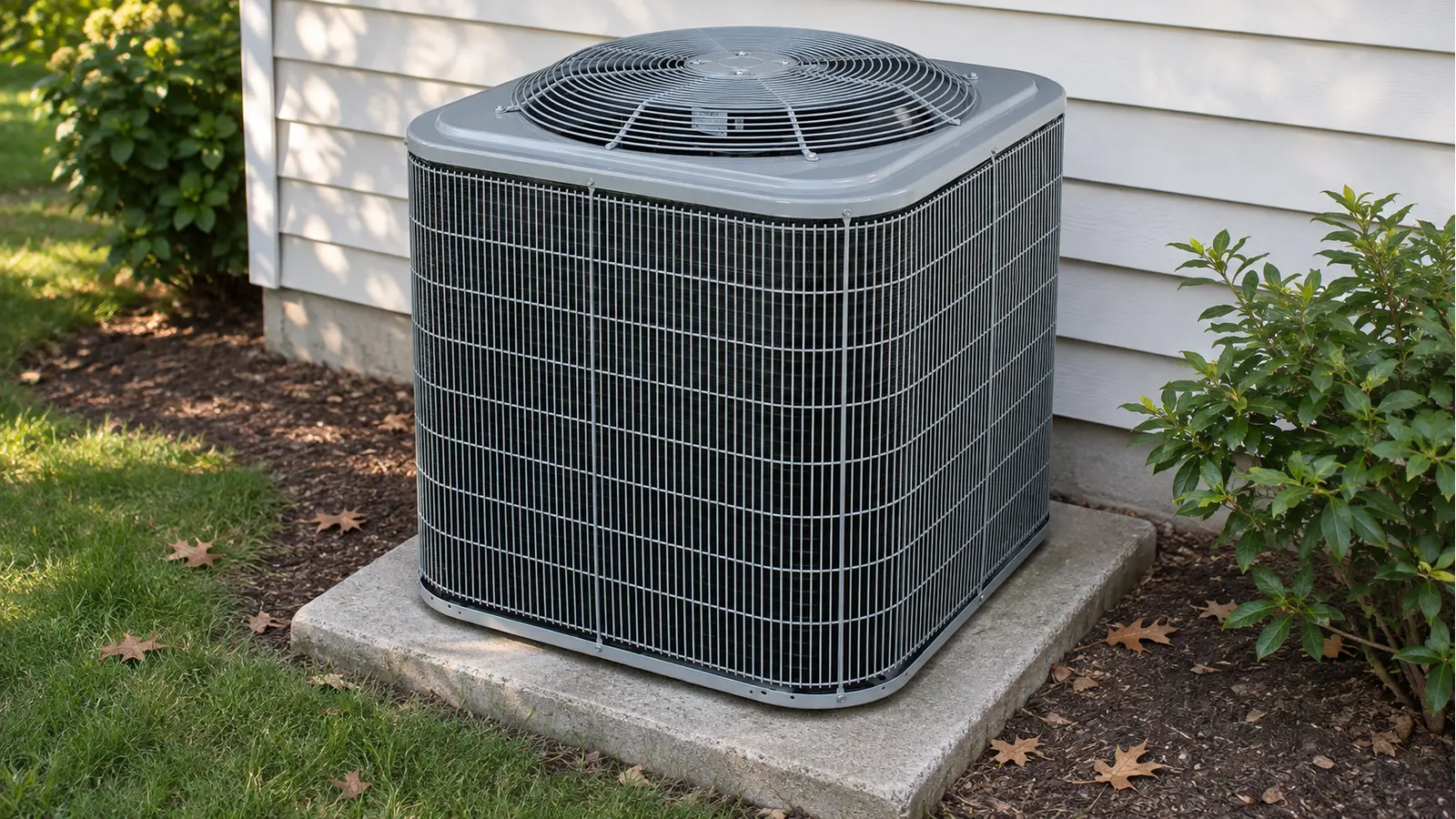
- Look at the outdoor unit from a safe distance for leaves, grass, or dense vegetation obstructing airflow.
- Stop cooling and get professional help if you see ice, smell burning, notice water near electrical equipment, or encounter a breaker that keeps tripping.
First, identify what “AC not cooling” means in your home
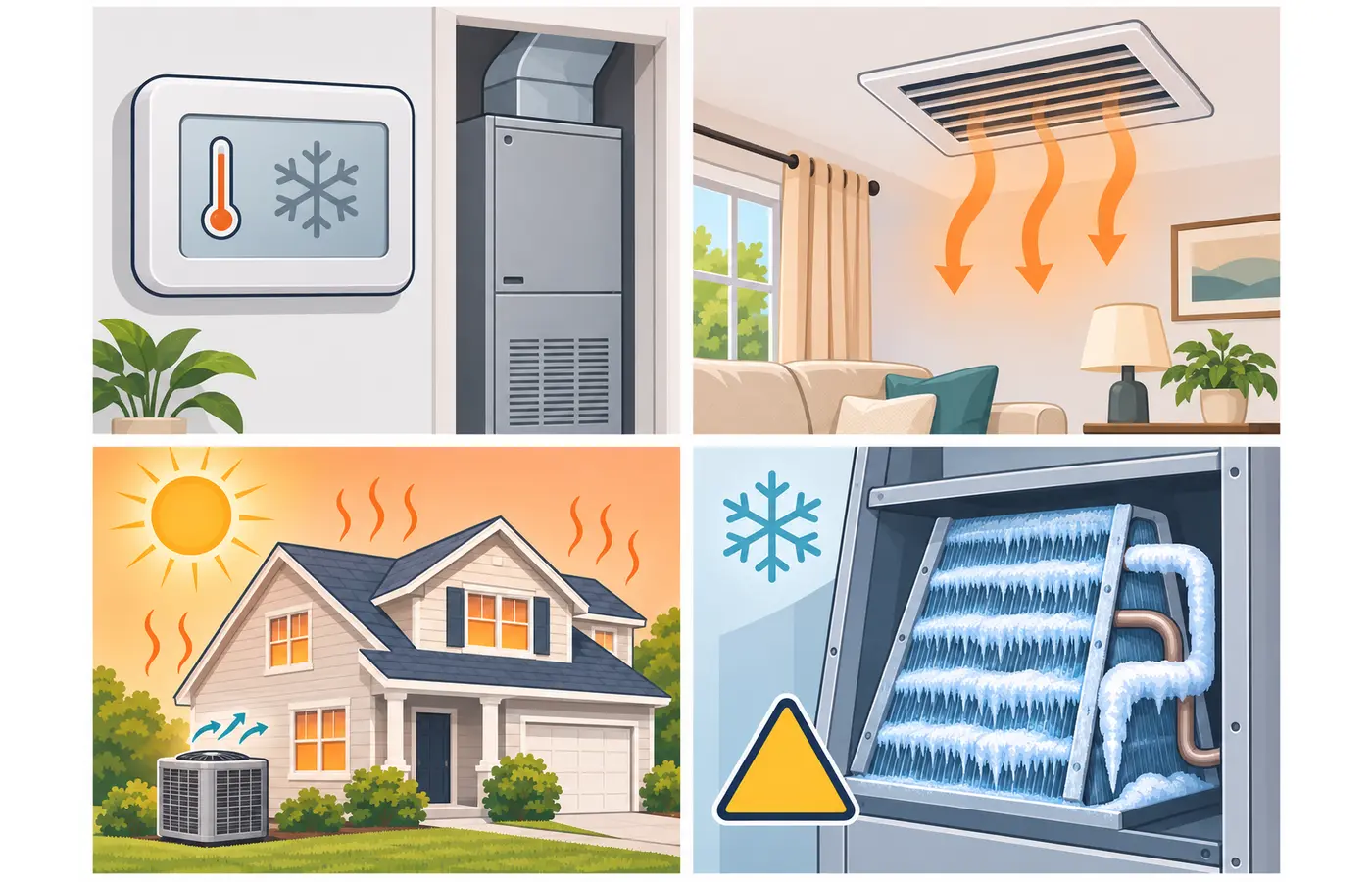
Two homes can feel equally hot for completely different reasons. In one, the cooling equipment never starts. In another, a fan moves room-temperature air through the vents. In a third, the air feels cool at the vents but the rooms stay warm. Those are different diagnostic paths, and guessing at a single failed part can waste time or create a safety risk.
| What you notice | What it may mean | Best next step |
|---|---|---|
| Nothing starts after calling for cooling | Thermostat, power, control, or safety-switch issue | Verify settings and visible status; seek service if the system remains off |
| Air blows, but it is not cool | Indoor fan may be operating without effective refrigeration; airflow or outdoor-unit trouble is possible | Check filter and vents, then observe the outdoor unit without opening it |
| Vent air feels cool, but rooms stay hot | Air distribution, duct leakage, excessive heat entering the home, or insufficient cooling capacity | Check unobstructed registers; document when and where the problem happens |
| Weak airflow from several vents | Dirty filter, obstructed return path, blower trouble, or ice buildup | Check the accessible filter and grilles; stop if icing is suspected |
| Ice, water, electrical smell, or repeated breaker trip | Potential equipment damage, leakage, or electrical hazard | Turn off cooling when safe; contact qualified help |
This guide covers typical U.S. residential central air conditioners and ducted heat pumps operating in cooling mode. Mini-splits, window units, packaged systems, and communicating controls can behave differently. Use your model's owner's manual whenever its instructions differ from general advice.
Six safe checks to try before scheduling AC service
Work from the easiest observations to the more specific clues. You should not need to remove a service panel, expose wiring, touch refrigerant lines, or handle electrical components to complete these checks.
1. Check the thermostat mode, setpoint, and fan setting
Make sure cooling is enabled and the selected temperature is lower than the measured room temperature. A thermostat set to HEAT, OFF, or fan-only operation will not necessarily command cooling. With a conventional central HVAC system, a fan setting of ON may circulate air even when the compressor is not operating; AUTO ordinarily lets the blower follow a cooling call. Some variable-speed and smart systems use different fan logic.
If the thermostat display is blank, check its instructions for user-replaceable batteries. Don't assume a blank screen always means the same thing: some thermostats are powered by the HVAC system and can go blank when there is a power or safety-switch problem. After changing a setting, allow any built-in compressor protection delay to finish rather than repeatedly switching the system on and off.
2. Inspect the filter only if it is meant to be homeowner-accessible
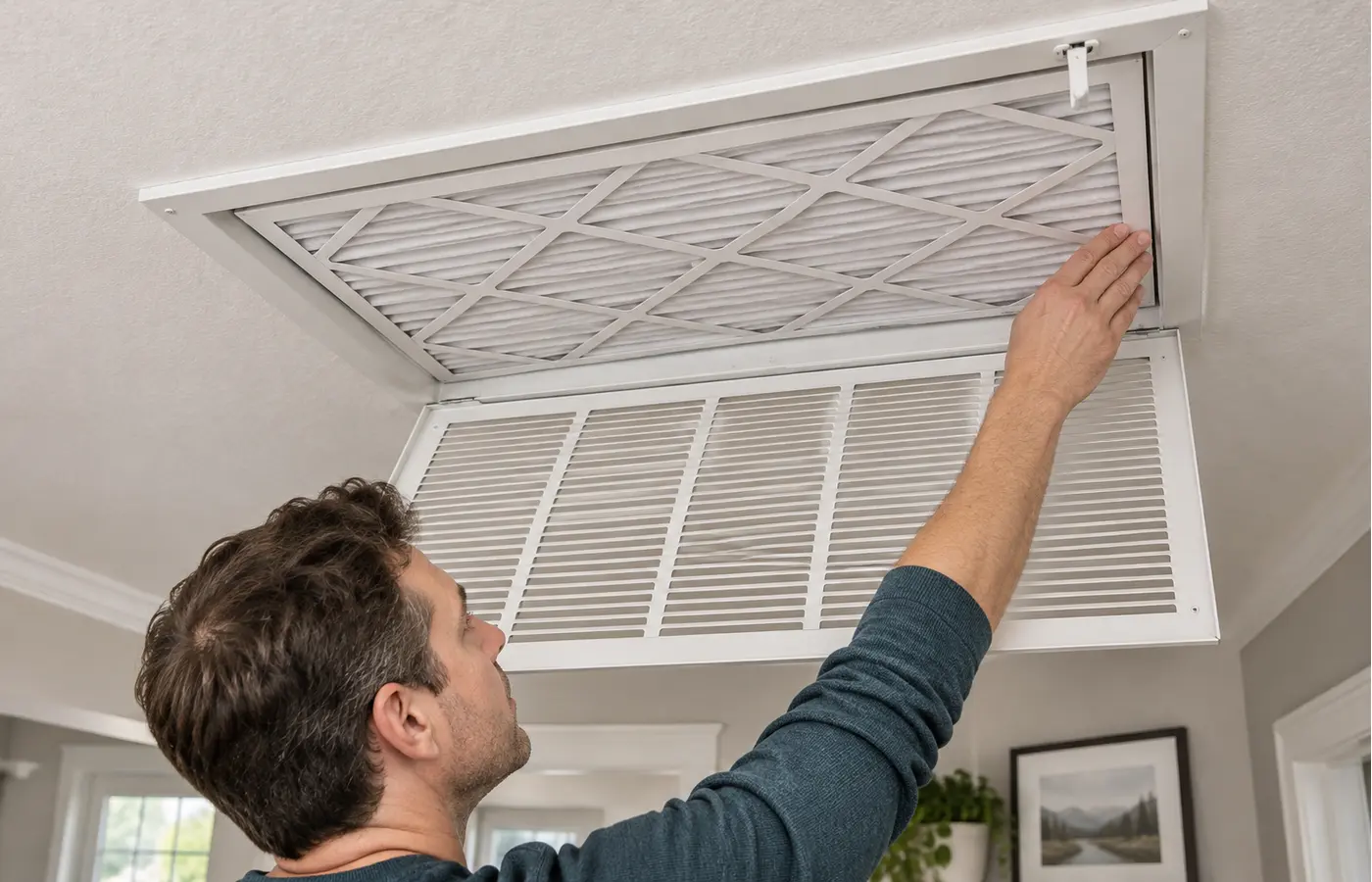
A heavily loaded filter can reduce airflow through the system, limit cooling performance, and contribute to evaporator-coil icing. Turn the cooling system off according to its instructions before opening an accessible filter grille or filter slot. Look for a visibly dirty, damaged, or incorrectly installed filter. Replace disposable filters with the size and type specified by the equipment or filter instructions; clean reusable filters only as directed and reinstall them when dry.
Do not leave a required filter out to “get more airflow,” force a thicker filter into a tight slot, or remove a sealed equipment cabinet to reach one. A filter that looks clean does not rule out a different airflow problem. If you are uncertain about the correct filter location or airflow direction, consult the manual or service company.
3. Check supply vents and return grilles
Walk through the occupied rooms and look for furniture, rugs, drapes, or boxes blocking supply or return openings. Move obstructions without disturbing the ductwork or removing grilles. If several rooms suddenly have weak airflow, note whether the restriction is widespread or confined to one area. A single warm room can have a different explanation from an entire home that has stopped cooling.
Avoid closing many supply registers to force cold air toward one room. Depending on the design, that can increase duct pressure and make airflow problems worse. If airflow stays weak after checking the filter and grilles, the blower, duct system, or indoor coil may require professional diagnosis.
4. Look for outdoor-unit airflow obstructions
For a central split system, the outdoor unit must release heat. Leaves, grass clippings, overgrown shrubs, or objects against its grille can restrict the surrounding airflow. From ground level, check whether anything is covering or crowding the equipment. Remove loose yard debris around the exterior only when the area and equipment are safe to approach, and follow the manufacturer’s clearance recommendations. Do not reach into the fan grille.
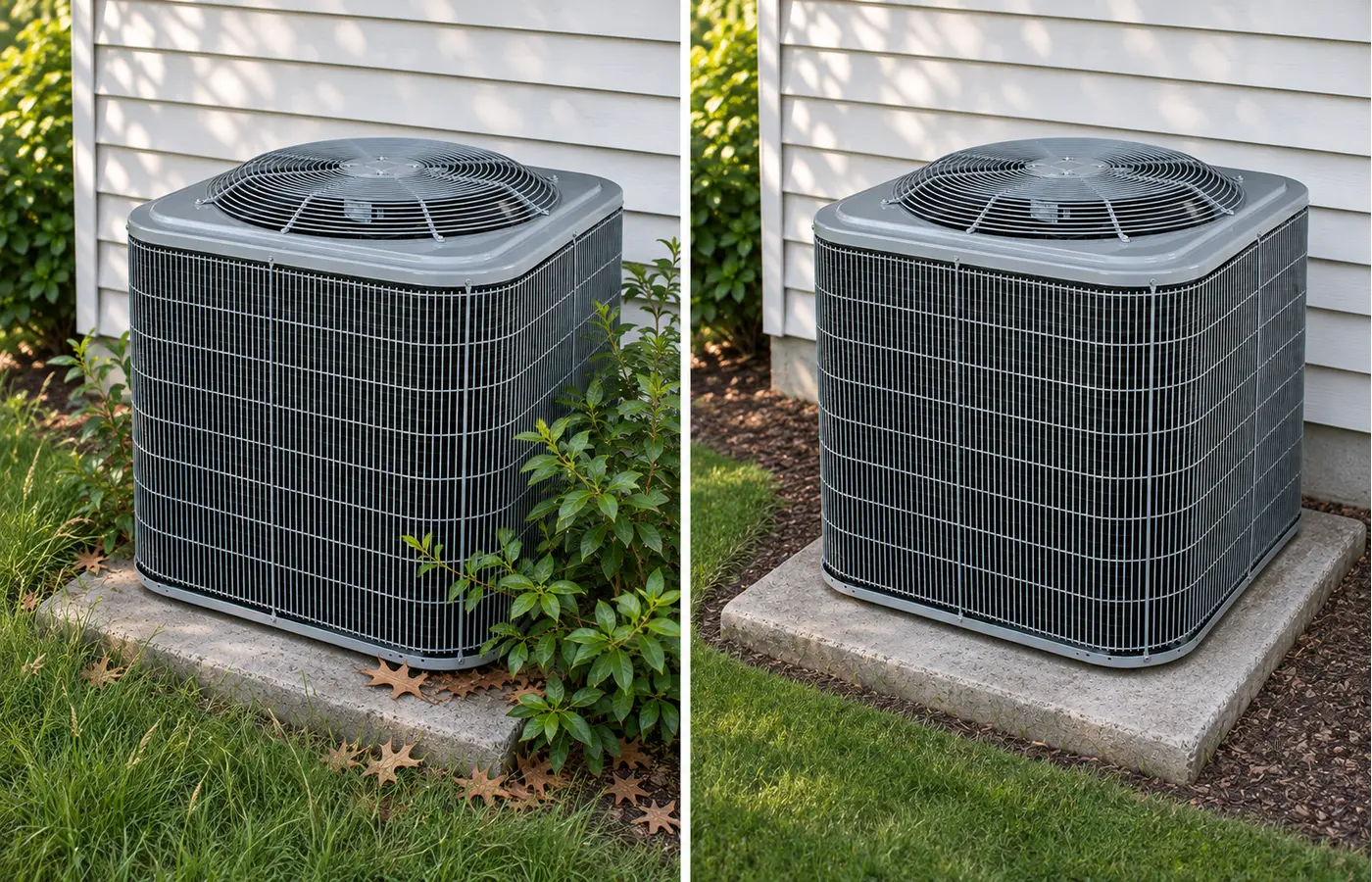
Some manufacturer instructions allow gentle exterior rinsing after equipment has been properly shut down, but access, water exposure, and required procedures vary. If you do not have model-specific instructions and a safe way to isolate power, limit yourself to clearing nearby yard debris. Never pressure-wash the unit, spray electrical compartments, bend coil fins, or remove protective panels.
5. Observe the system without opening it
Listen for the indoor fan, and from a safe location note whether the outdoor equipment appears to start when cooling is requested. This is only an observation: hearing a fan does not prove the compressor is running, and silence does not always indicate a fault because of protection delays or variable-speed operation. Do not touch fan blades, test a capacitor, open an outdoor disconnect, or use a meter to investigate live voltage.
If a clearly labeled, user-accessible circuit breaker appears tripped, consult your system's instructions and follow ordinary electrical safety precautions. Do not operate a damaged or unfamiliar panel. A breaker that trips again, a hot panel, or any arcing or burning smell calls for an electrician or HVAC professional, not repeated resetting.
6. Look for ice or unexpected water
Visible ice on an accessible refrigerant line, frost around the indoor coil area, or a sudden drop in airflow can indicate a frozen evaporator coil. Turn cooling off and contact an HVAC professional. Do not chip ice, heat it with a hair dryer, remove insulated covers, or keep running cooling to see whether it clears. In some systems the indoor fan can be run for thawing, but only if the manufacturer advises it and there is no electrical or water hazard.
Water pooling around the indoor air handler can also indicate a condensate problem. Some systems have a float switch that stops cooling when the drain backs up; not every system has one. Avoid touching wet electrical equipment, and seek service before water damages ceilings, walls, or flooring.
Why an AC may stop cooling: common causes explained
The first checks help narrow possibilities; they do not prove that a particular component has failed. Residential cooling systems combine controls, moving air, heat-transfer coils, refrigerant, electrical power, and sometimes ductwork. A problem in any part of that chain can leave the home uncomfortable.
Incorrect thermostat operation
A wrong mode, unexpected schedule, failed control signal, or fan-only operation can mimic an AC failure. Verify visible settings first; diagnosing low-voltage wiring and controls is service work.
Airflow restriction
A dirty filter, blocked return, blower issue, or obstructed indoor coil reduces heat transfer. Restricted airflow may also contribute to ice forming on the evaporator.
Dirty or blocked outdoor coil
Poor airflow around a condenser makes it harder for the system to release indoor heat. Yard debris is one thing to remove; coil cleaning and internal inspection may require trained service.
Frozen evaporator coil
Ice interferes with cooling and airflow. Possible underlying causes include restricted airflow or refrigerant-related trouble. Treat icing as a symptom requiring diagnosis, not as the entire explanation.
Condensate drain or safety switch
On equipped systems, a backed-up drain can trigger a safety switch that interrupts operation. Water stains or an overflowing pan are reasons to stop and obtain help, especially near wiring.
Outdoor electrical or motor failure
A failed fan motor, contactor, capacitor, or compressor can prevent effective cooling. These are not parts to test or replace as a homeowner: stored charge and live voltage present serious hazards.
Refrigerant charge or sealed-system trouble
A system can be undercharged because of a leak or incorrect installation charge. Performance symptoms alone cannot prove either one. Refrigerant circuit checks and repairs belong to appropriately certified technicians.
Heat gain, ducts, and equipment sizing
If supply air feels cool but the house stays hot, leaking ducts, solar gain, insulation, or inadequate system capacity may be involved. A room-by-room or whole-home assessment is often needed.
Important distinction: An indoor fan running does not demonstrate that the outdoor unit is providing cooling. Conversely, an AC producing some cold air may still struggle to lower the house temperature when ducts leak or the building gains heat rapidly. These are useful clues, not permission to work on energized equipment.
For persistent whole-house comfort problems, ENERGY STAR explains that forced-air duct leaks can waste conditioned air and make rooms harder to heat or cool. That is why a technician may need to assess the home and air distribution—not just the outdoor AC unit.
When to turn off the AC and call a professional
Stop troubleshooting and seek qualified help if you notice:
- Burning odor, smoke, sparking, buzzing from damaged wiring, or a hot electrical panel.
- A breaker that trips repeatedly, or power loss accompanied by signs of electrical damage.
- Visible ice on the cooling system, especially with little airflow or recurring freezing.
- Standing water close to the air handler's electrical components or a wet ceiling beneath attic equipment.
- Outdoor fan or compressor trouble that would require opening a cabinet or touching electrical parts.
- Suspected refrigerant leakage, damaged refrigerant tubing, or a need for pressure testing or charging.
If smoke or fire is present, leave the affected area and contact emergency services. In dangerously hot conditions, prioritize access to a cooler location rather than waiting in an overheating house. The National Weather Service advises using air-conditioned spaces during extreme heat, particularly for people at higher risk from heat illness.
AC capacitors can retain dangerous electrical charge after power is removed. Refrigerant systems are also pressurized and regulated. Do not remove cabinet panels, bypass safety switches, attach gauges, recharge refrigerant, or attempt compressor or wiring repairs. Under U.S. EPA Section 608 rules, work that can open a stationary AC refrigerant circuit generally requires a properly certified technician.
What to tell an HVAC technician when your AC is not cooling
A concise description is more useful than guessing that the compressor, capacitor, or refrigerant is bad. If it is safe to do so, write down these observations before calling:
- Thermostat: selected mode, target temperature, current indoor temperature, and any displayed alerts.
- Airflow: whether air is coming through the vents, whether it feels cool or warm, and which rooms are affected.
- Equipment: whether the indoor blower and outdoor unit seem active, without touching equipment or opening covers.
- Timing: whether the issue started suddenly, happens only on hot afternoons, or began after maintenance or a power outage.
- Warning signs: ice, visible water, unusual noise, repeated tripping, or odors.
- Safe checks completed: thermostat settings, filter condition, vent clearance, and outdoor debris.
Ask the technician to explain the confirmed cause, the diagnostic findings, the proposed repair, and whether follow-up testing is needed. If the recommendation involves a refrigerant recharge, ask what diagnosis supports the charge and whether a leak or installation error was evaluated. For a home that cools only at night, describe the time-of-day pattern; it may lead to a broader look at airflow, duct leakage, insulation, or cooling load.
How to reduce future cooling trouble
Follow your equipment manufacturer's schedule for checking and changing accessible filters, keep the outdoor unit's required clearances unobstructed, and arrange professional cooling-system maintenance before the summer season. A routine visit can include coil condition, airflow, drainage, electrical connections, and proper system operation. ENERGY STAR recommends an annual pre-season check by a qualified contractor; tasks involving electrical measurements or refrigerant remain professional work.
Frequently asked questions about an AC not cooling
Why is my AC not cooling even though it is running?
The sound of a fan does not prove the compressor is cooling. A thermostat's fan setting, restricted airflow, a frozen coil, outdoor-unit trouble, or a refrigerant problem can produce this symptom. Start with visible settings and the accessible filter; seek service if cooling does not return or warning signs appear.
Can a dirty filter make the AC stop cooling?
Yes. A severely restricted filter can reduce airflow across the indoor coil and contribute to inadequate cooling or icing. Replace or clean only the filters intended for homeowner service, following the equipment manual. If the problem continues, something else may be wrong.
Should I switch the fan from ON to AUTO?
For many conventional central systems, AUTO keeps the indoor fan aligned with heating or cooling calls, while ON circulates air between cycles. Some advanced systems have different options. Check your thermostat manual, and do not treat fan mode as proof of a failed AC component.
Why does the AC feel cold at the vent but not cool the house?
The system may be producing cool air without delivering enough of it where needed. Blocked returns, leaking ducts, attic heat, heavy sunlight, or insufficient cooling capacity can contribute. This requires a different assessment from an AC that blows warm air at every vent.
Is ice on an AC line normal?
No. Visible icing during normal cooling is a sign to stop cooling and arrange diagnosis. The underlying cause may involve airflow or the refrigerant circuit. Do not scrape ice, heat the coil, or continue operating cooling through a freeze-up.
Does low refrigerant always mean there is a leak?
Not always. A leak is possible, but an incorrect charge at installation can also leave the system undercharged. Only a qualified technician can determine the cause and perform appropriate sealed-system service.
Can I reset the breaker if the AC is not cooling?
A tripped breaker may explain lost power, but electrical panels and HVAC circuits can be hazardous. Follow the manufacturer's guidance and do not operate unfamiliar, hot, wet, or damaged equipment. If a breaker trips again, stop and contact a professional; repeated resets are not troubleshooting.
How long should I wait after changing thermostat settings?
Some systems intentionally delay compressor starting to protect equipment. Wait for the specific delay described in your thermostat or AC manual, and avoid rapidly toggling modes or power. If the system still fails to cool after normal operation resumes, continue only with safe observations.
Sources and further reading
This guide draws on manufacturer troubleshooting resources and U.S. public safety and energy guidance. Individual system manuals and local professional advice take precedence over general instructions.