When your AC is not cooling the house, the problem is not always a broken air conditioner. Your system may be making cool air but struggling to deliver it to every room, or the home may be gaining heat faster than the system can remove it. The first clue is whether the whole house feels warm, only certain rooms are uncomfortable, or the air coming from the vents is not cool.
Quick answer: Why is my AC not cooling my house?
Common reasons include an incorrect thermostat setting, a clogged filter, blocked supply or return vents, leaking or poorly insulated ducts, high solar heat gain, inadequate cooling capacity, or a problem with the AC equipment itself.
Start safely: Check thermostat settings, a user-accessible filter, unobstructed vents, and visible outdoor-unit clearance. If you see ice, smell burning, find water near electrical equipment, or notice repeated breaker trips, stop using the system when safe and contact a qualified professional.
First, identify how your house is failing to cool
The most useful first step is to compare where you feel uncomfortable with what the cooling system is doing. A thermostat reading alone cannot tell you whether the cause is an airflow problem, a high cooling load, or a malfunctioning component. Check the temperature in the main living area and in the rooms that feel warm, using an ordinary room thermometer if you have one.
| What you notice | What it may suggest | Safe next step |
|---|---|---|
| Every room is warm and the vents feel weak | Restricted airflow, a dirty filter, or a blower or duct issue | Check the accessible filter and look for blocked supply or return grilles |
| Some rooms cool, but others stay hot | Uneven distribution, duct leakage, room heat gain, or a zoning issue | Compare rooms, check visible vents, and record the affected areas |
| Airflow seems normal, but vent air feels warm | The equipment may not be cooling as intended | Verify thermostat mode and request HVAC service if the problem continues |
| The AC runs for long periods but cannot reach the setpoint | High heat load, reduced cooling capacity, duct losses, or undersizing | Record indoor and outdoor conditions and note whether the issue is new |
| The upstairs is much hotter than downstairs | Solar gain, attic heat, insulation, duct balance, or limited return airflow | Check shades, register obstructions, and the timing of the temperature difference |

All rooms warm? Begin with whole-system controls and airflow. Only a few rooms warm? Look more closely at room-by-room air delivery and heat gain. Warm air at every vent? Treat that as a possible equipment problem, not proof that the ducts are undersized. These patterns are clues, not diagnoses.
Seven safe checks before calling an HVAC technician
These checks are intended for a conventional central ducted AC or heat pump operating in cooling mode. Follow your equipment manual, and skip any task that would require opening a service cabinet, climbing into an unsafe attic, touching electrical parts, or reaching inaccessible equipment.
1. Confirm the thermostat is calling for cooling
Set the thermostat to Cool and choose a target temperature below the current indoor reading. For a conventional system, Auto is generally the appropriate fan setting for a basic check: a fan set to On may circulate room-temperature air even when the cooling cycle is off. If your thermostat has a schedule, temporary hold, or smart-home automation, check that it is not overriding your selection.
If the thermostat uses replaceable batteries and the user manual permits replacement, check them. Allow for any normal equipment start delay after changing settings. Do not remove the thermostat from its wiring base, short terminals, or modify electrical connections.
2. Inspect a user-accessible air filter
A loaded filter can reduce airflow through the indoor coil and throughout the ducts. If the filter is intended for homeowner replacement and can be reached safely, switch the system off using its normal controls, follow the manual, and replace a visibly dirty filter with the approved type and size. Check the correct airflow arrow direction before fitting the replacement.
Do not run the system without the filter as a troubleshooting shortcut, and do not substitute a denser filter without checking equipment guidance. If the filter is clean but supply airflow remains weak, the problem could be deeper in the system.
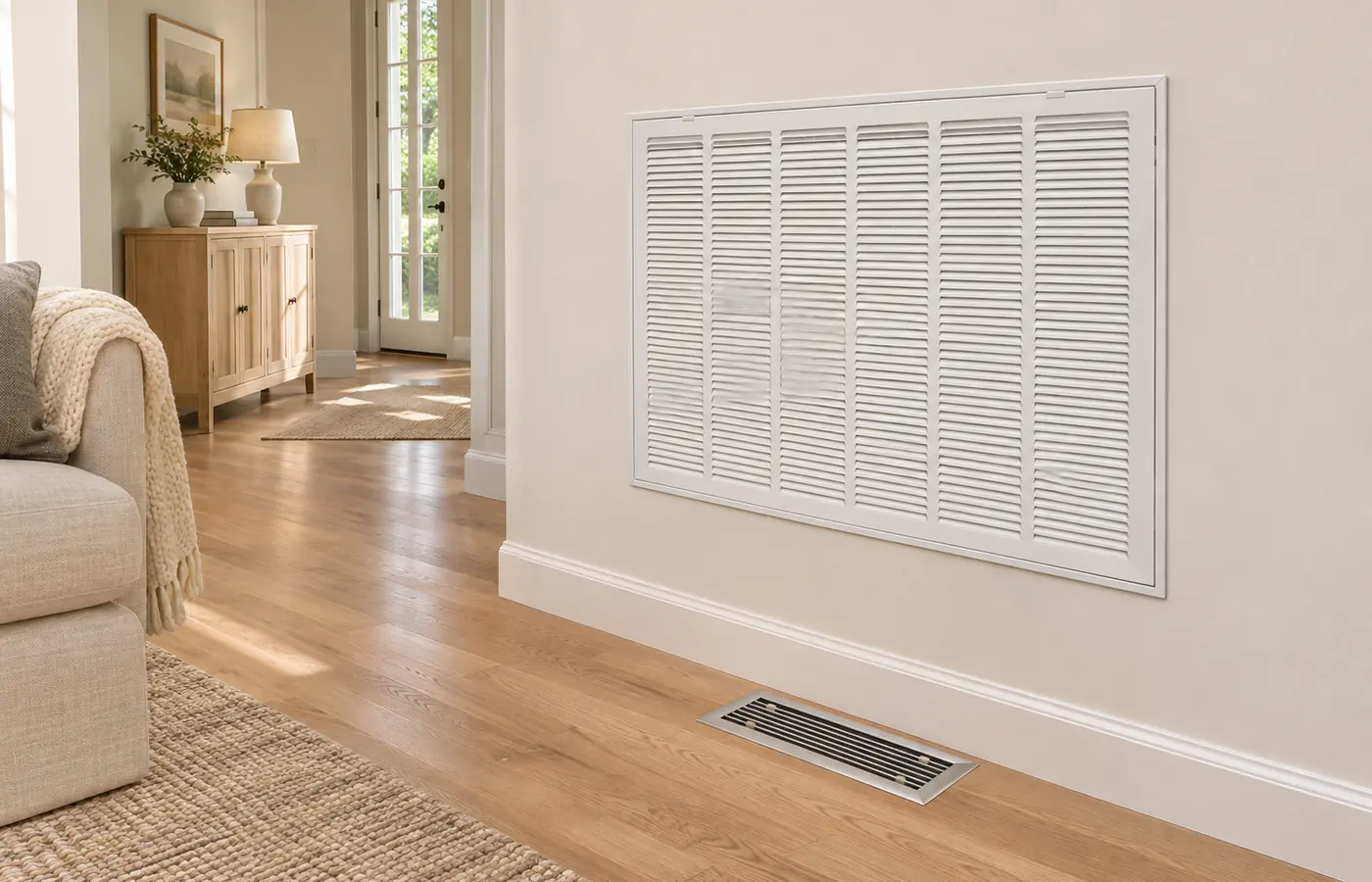
3. Walk through the supply vents and return grilles
Supply registers deliver conditioned air into rooms; return grilles allow indoor air to travel back to the central system. Look for furniture, rugs, boxes, curtains, or decorative covers obstructing either one. Clear movable obstacles without dismantling the grille or ductwork. Avoid closing many registers in an attempt to force air to hotter rooms; that can create unwanted pressure and airflow problems in some systems.
Pay attention to whether airflow feels consistently weaker in distant rooms. A single weak register can be a localized delivery issue, while weak airflow everywhere points toward a broader restriction or blower problem.
4. Observe the outdoor condenser from a safe distance
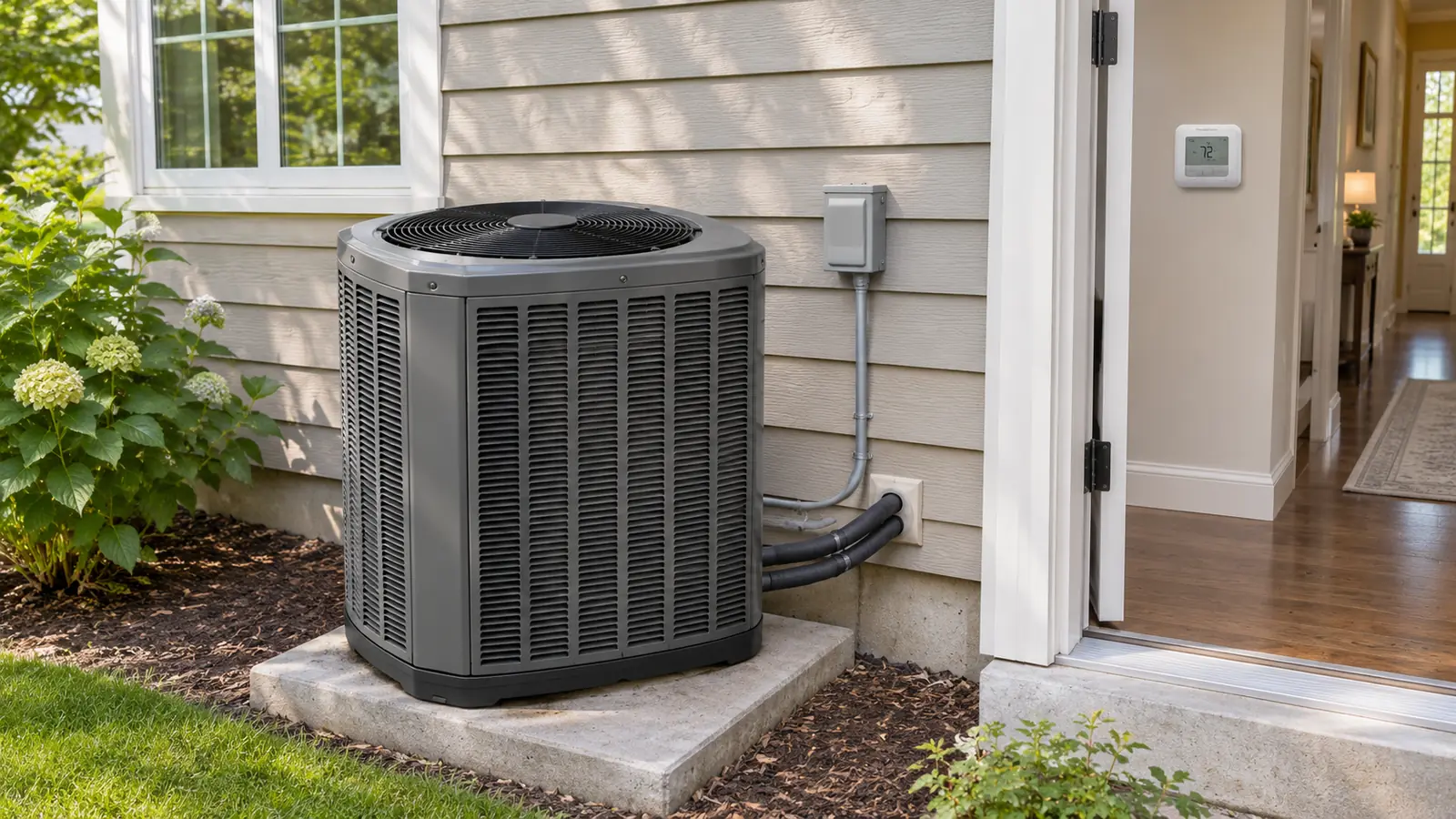
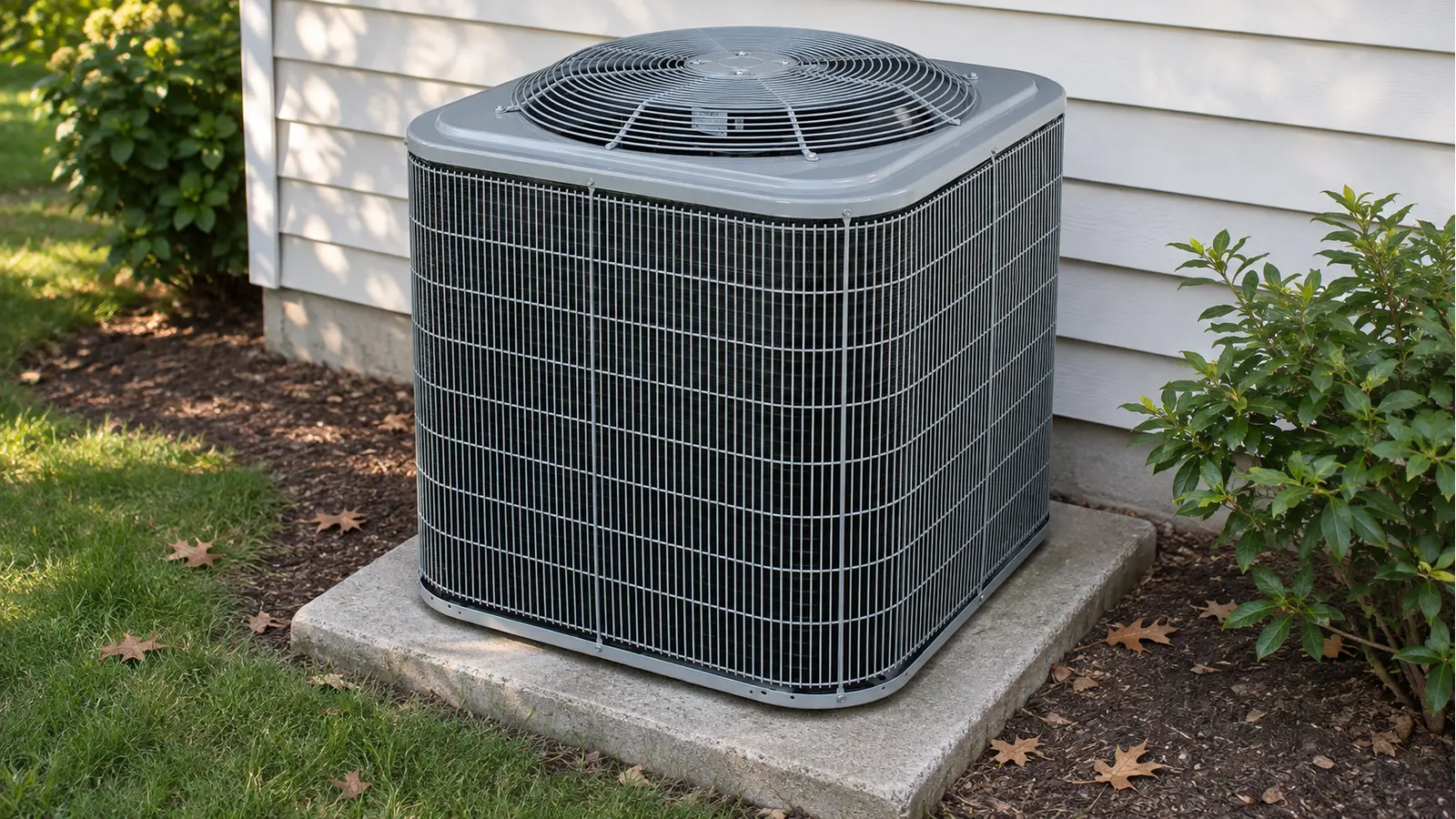
From ground level, look for leaves, grass clippings, storage items, or overgrown landscaping surrounding the outdoor unit. Remove only loose debris that is safely reachable outside the equipment; maintain clearance according to the manufacturer's instructions. Do not remove protective panels, reach through a fan guard, bend fins, spray electrical components, or assume that hearing a fan proves the compressor is working.
If the outdoor unit makes unusual noises, stops repeatedly, or remains inactive when cooling should be running, arrange service rather than testing capacitors, contactors, or wiring yourself.
5. Check what the sun is doing to the house
If the rooms facing west are uncomfortable mainly in late afternoon, direct solar heat through windows may be a major contributor. Close existing blinds or shades during the hottest hours and note whether those rooms improve. Sun-facing glass, a poorly insulated attic, and air leakage around the building can increase the cooling demand without any single AC component failing.
Do not use open windows as an all-purpose solution while the AC is running in hot or humid weather. Outdoor-air ventilation decisions depend on conditions, indoor air quality, and the home's ventilation design.
6. Compare the rooms without guessing at a temperature rule
Write down the thermostat's displayed indoor temperature, its setpoint, and readings from one or two other rooms at roughly the same time. Note whether the house was comfortable earlier in the day, whether the system has been cycling normally, and whether this problem appeared suddenly or has existed since installation.
There is no universal rule that every AC must lower indoor temperature a fixed number of degrees per hour. Outdoor conditions, humidity, house insulation, airflow, and equipment design all affect performance. A simple record is more useful to a technician than a single unverified temperature-difference test at a vent.
7. Watch for signs that mean stop
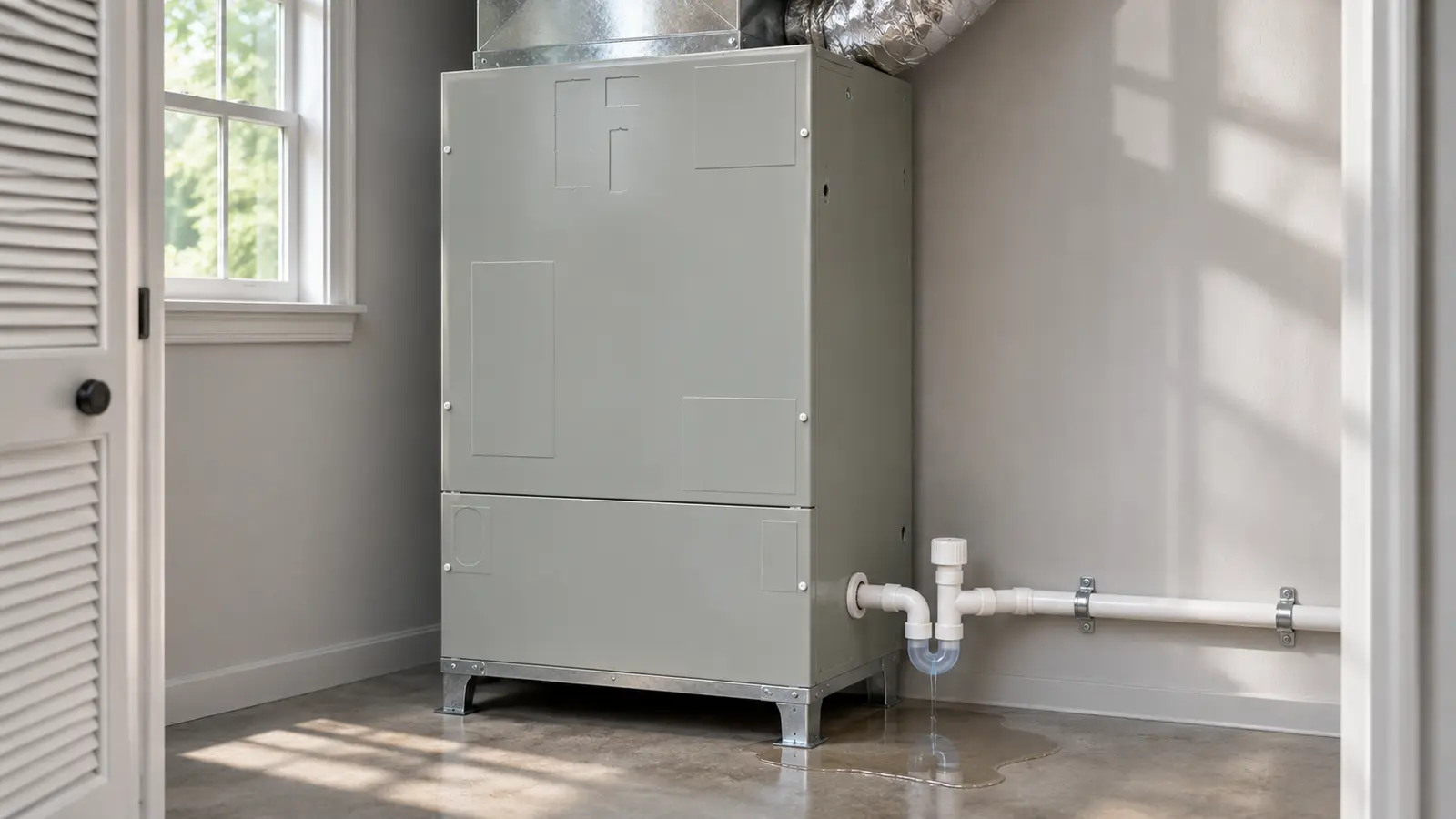
Visible ice on the refrigerant line or indoor equipment, water reaching electrical components, a burning smell, or repeated breaker trips is not a routine comfort problem. Set cooling to Off if it is safe to do so and contact the appropriate qualified professional. Do not chip ice off a coil, force the blower to run as a universal workaround, repeatedly reset breakers, or bypass an overflow safety switch.
Why the AC may run while the house stays hot
Once the quick homeowner checks are complete, the question becomes whether the system can deliver its cooling to the occupied rooms and whether the building's heat gain is unusually high. The following causes can coexist, which is why replacing the air conditioner without examining the home is not always the right answer.
Leaky, disconnected, or poorly insulated ductwork
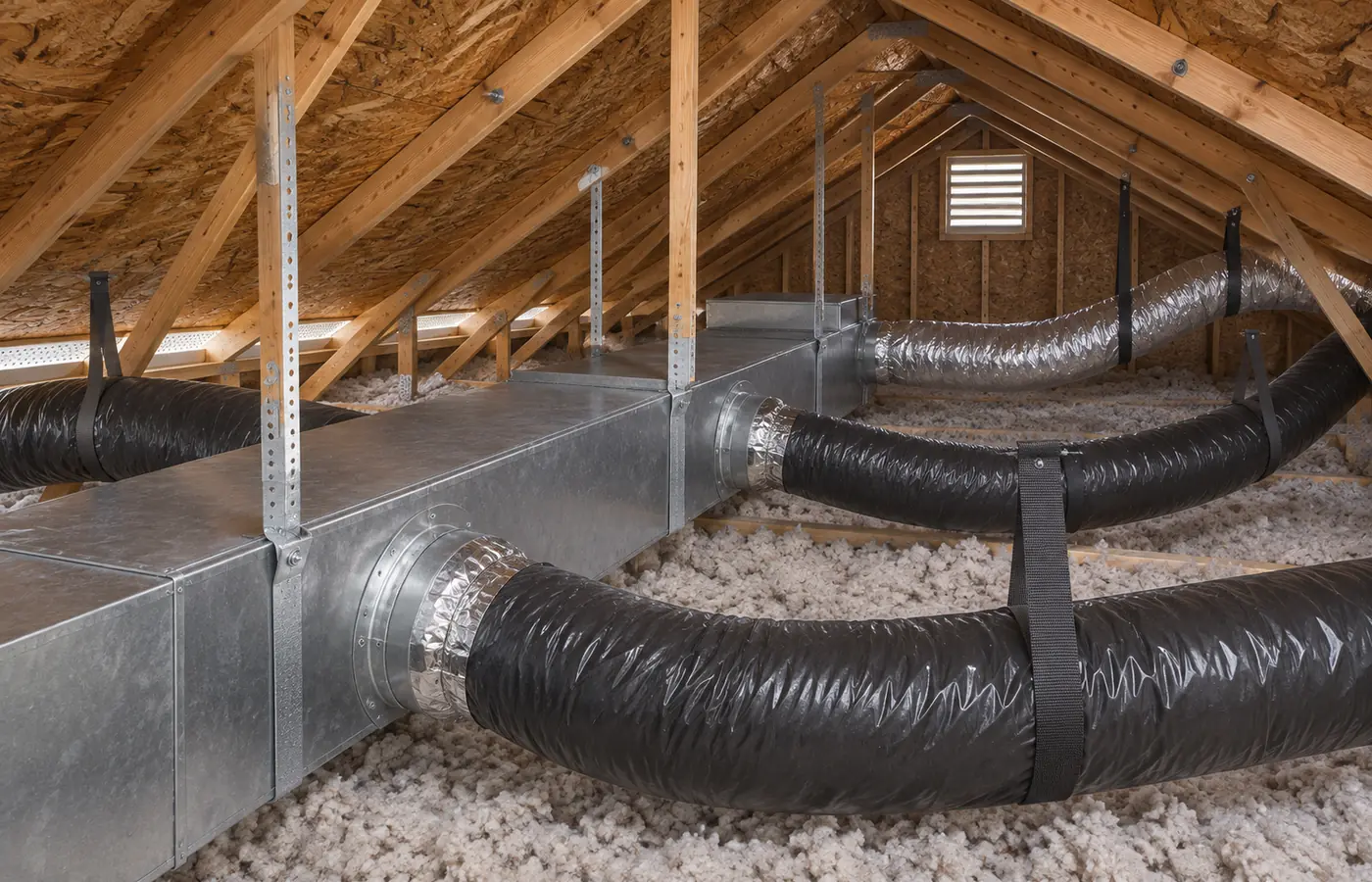
In a ducted central system, conditioned air travels from the indoor equipment through ducts to supply registers. If a duct joint leaks or a flexible duct becomes disconnected, part of that air may never reach the rooms. In attics, garages, and crawlspaces, damaged duct insulation may also let the air gain heat before it reaches a register. Return-side leaks can pull unconditioned air into the system.
ENERGY STAR reports that in a typical house, approximately 20% to 30% of air moving through ducts can be lost through leaks, holes, and poor connections. That is a general building-stock estimate, not a measurement of your home. Signs that justify a professional duct evaluation include persistent hot rooms, unusually high utility bills, and visible damaged ductwork in safely accessible areas.
A qualified contractor can inspect duct connections, check supply and return airflow, repair leaks with appropriate materials, assess insulation, and evaluate combustion safety where applicable. Do not enter an unsafe attic, cut into ducts, apply random tape, or seal unknown air pathways as a homeowner experiment.
Weak return airflow or an unbalanced distribution system
A room can have an open supply register but still feel uncomfortable if return air cannot circulate properly. In some homes, the return duct system is undersized, room doors reduce the available return path, or a zoning damper is incorrectly configured. Long duct runs, restrictive bends, and poorly designed supply branches can also limit air delivery.
These are system-design questions. Homeowners can keep accessible grilles clear, but testing static pressure, measuring airflow, inspecting dampers, and making balancing changes belong to a qualified HVAC contractor. A professional should assess the full supply and return system before recommending larger registers or additional vents.
Hot attic, insufficient insulation, or air leaks
Your AC removes heat while the house gains heat through windows, walls, the roof, and gaps in the building envelope. If attic insulation is deficient or warm outdoor air leaks into the home, the cooling load may be significantly higher than expected. An upstairs room beneath a sun-heated roof can remain warm even when the downstairs thermostat reports a comfortable temperature.
Look for patterns rather than trying to diagnose insulation by touch. Hot rooms that worsen late in the day, drafts near closed windows, or a large upstairs/downstairs temperature difference can justify a home energy assessment. Air sealing and insulation work must account for ventilation, moisture management, and combustion-appliance safety.
Direct sunlight through windows
Large west-facing windows can add substantial afternoon heat. A room that cools overnight but overheats when the sun strikes the glass may need shading or an assessment of window performance, not just a colder thermostat setting. Existing blinds, shades, and suitable exterior shading can reduce part of this load. Permanent changes should be chosen with local climate, natural light, and moisture considerations in mind.

An AC system that is too small for the actual cooling load
An undersized system may run for long periods without meeting the thermostat setpoint during demanding weather. But continuous operation alone does not prove undersizing; an airflow restriction, duct loss, refrigerant problem, or high heat gain can create similar symptoms. Equipment should not be replaced based only on floor area or an online tonnage rule.
The U.S. Department of Energy's consumer guide recommends a proper cooling-load calculation using ACCA Manual J. A contractor may also use Manual S for equipment selection. The calculation considers climate, windows, insulation, air leakage, and other house characteristics. Oversizing is not a free fix: an oversized conventional AC can short-cycle and fail to control humidity well.
Extreme outdoor conditions and an unusually high heat load
During unusually hot weather, the home may gain more heat than it does on a typical day. Long runtimes can be normal under heavy loads, but a system that never reaches its setpoint deserves attention, especially if its performance has declined compared with previous summers. Avoid treating an arbitrary indoor-to-outdoor temperature difference as a universal diagnostic threshold.
If you notice the problem only during heat waves, compare it with the home's prior performance and ask whether the system was sized for the local design conditions. A technician can evaluate real cooling capacity; a home energy professional can look for avoidable building heat gain.
When the problem is the AC equipment itself
Not every house-cooling complaint is a duct or insulation problem. If airflow is weak everywhere, the vent air is not noticeably cool, or the system suddenly stops meeting a setpoint it used to reach, equipment faults deserve consideration. These overlap with general AC troubleshooting, so keep the homeowner checks brief and leave internal diagnosis to an HVAC technician.
Dirty filter or indoor coil
Restricted airflow can reduce cooling and contribute to coil icing. Replace only an accessible user-serviceable filter; do not open the cabinet or clean internal coils yourself.
Frozen evaporator coil
Visible frost or ice is a reason to switch cooling off and request service. Do not scrape ice or assume that thawing has corrected the underlying cause.
Outdoor condenser trouble
Poor heat rejection, fan trouble, or a failing component can reduce capacity. A fan turning outdoors does not establish that the entire refrigeration system is healthy.
Refrigerant or control problem
Low refrigerant may result from a leak or incorrect charge. Diagnosis, leak repair, and refrigerant handling require appropriately qualified personnel, not a homeowner recharge kit.
Other possibilities include blower faults, faulty sensors, a condensate safety shutdown, and electrical failures. A system that is not starting at all follows a different diagnostic path from a running system that cannot cool the house. If you have recurrent water leaks, visible ice, or a breaker issue, prioritize safety rather than pushing the equipment to keep operating.
What if the AC cools downstairs but not upstairs?
This is a common version of the whole-house cooling problem. Upper floors are often more exposed to roof heat and sunlight, while the thermostat may be located in a cooler downstairs hallway. If supply airflow upstairs is weak or the return path is poor, those rooms can remain warm even while the system satisfies the downstairs thermostat.
Start by noting which upstairs rooms are warm, whether their vents are obstructed, whether existing shades help, and whether the temperature difference is largest in the afternoon. Ask a qualified professional to evaluate supply and return airflow, duct leakage and insulation, thermostat placement, and potential zoning or building-envelope improvements. Avoid automatically closing downstairs vents or adding booster fans before the duct system is assessed.
A useful distinction
If upstairs rooms have weak airflow, start with distribution. If airflow is strong but the rooms heat up in direct sun, investigate the building's heat gain. If every vent blows warm air, prioritize equipment diagnosis. More than one issue may be present.
When to call an HVAC technician or home energy professional
Call an HVAC technician when cooling remains inadequate after safe checks, airflow is weak throughout the house, the system runs unusually long without improvement, or the outdoor and indoor equipment behave abnormally. Seek prompt help if you notice ice, abnormal sounds, electrical odors, water threatening wiring, or repeated shutdowns.
If the equipment appears to cool normally but specific rooms overheat, ask for a whole-system airflow and duct assessment. If the pattern points to sun exposure, attic heat, or drafts, a home energy assessment may identify improvements that HVAC repair alone cannot provide. You may need both types of expertise.
What to tell the professional
- Whether every room is hot or only particular rooms or floors
- Thermostat mode, setpoint, and observed indoor temperature
- Whether airflow feels normal, weak, or inconsistent across registers
- When the problem occurs: all day, late afternoon, or only during very hot weather
- Whether the system previously cooled the home successfully
- Any visible ice, water leaks, odors, short cycling, or unusual sounds
- Recent changes to windows, insulation, home additions, or HVAC equipment
A useful professional evaluation may include a check of delivered airflow, duct connections and return paths, system operating conditions, and a load calculation if sizing is in question. If duct sealing is proposed, make sure the contractor considers combustion-appliance backdrafting and ventilation safety.
How to help the house stay comfortable after repairs
Once the root cause is fixed, routine maintenance and thoughtful control of household heat gain can reduce repeat problems. Follow the manufacturer's filter schedule for your conditions, keep accessible supply and return grilles clear, maintain the required outdoor-unit clearance, and use blinds or shades where direct sun causes overheating.
Have ductwork and insulation evaluated if the home consistently has hot rooms or an uncomfortable upper floor. Schedule qualified maintenance according to equipment guidance, especially when cooling performance changes. If you plan a major upgrade, ask for a proper cooling-load calculation and duct review before selecting replacement equipment. Neither the biggest unit nor the lowest thermostat setting is automatically the best solution.
Frequently asked questions
Why is my home AC not cooling even though it is running?
The indoor fan may be operating without adequate cooling, or cool air may be lost through duct leaks and poor distribution. Check the thermostat, accessible filter, and vents first. If vent air is warm, you see ice, or the house remains hot despite normal controls, ask a technician to diagnose the equipment.
Why is my AC unit not cooling the house during the day?
Afternoon sun, attic heat, outdoor temperature, poor insulation, and an elevated cooling load may make the house harder to cool. The equipment could also be losing capacity. Record when the problem happens and whether it affects the whole home or sun-facing rooms. This helps distinguish high heat gain from a new system fault.
Why is my AC not cooling in the house but blowing air?
Air moving through the vents does not prove the cooling components are working. The thermostat fan may be circulating air between cooling cycles, or the unit may have a filter, coil, condenser, refrigerant, or controls issue. Avoid opening equipment or testing electrical components. Use the simple exterior checks and seek professional diagnosis if the problem continues.
Why is my central AC not cooling every room?
Uneven temperatures can result from duct leaks, blocked registers, insufficient return airflow, solar exposure, or an unbalanced system. Check for easily moved obstructions and note the affected rooms. Persistent differences are good reasons to request a duct and airflow evaluation.
Why does my AC run all day but not cool the house?
The cooling load may exceed the system's available capacity, especially in very hot conditions, or the system may have reduced capacity because of airflow or mechanical problems. A long runtime by itself does not establish that the AC is undersized. A contractor can investigate system performance and the home's actual load.
Should I turn down the thermostat to make the house cool faster?
Lowering the thermostat far below your intended comfort temperature does not generally make a conventional single-stage central AC cool faster. It mainly tells the system to keep calling for cooling for longer. Choose a reasonable setpoint and investigate why the home is not reaching it rather than forcing an extreme setting.
Can a dirty air filter stop the whole house from cooling?
Yes. A severely restricted filter can reduce system airflow and contribute to poor cooling or evaporator coil icing. Replace a dirty, accessible filter according to the owner's instructions. If cooling does not recover or ice is visible, stop cooling and arrange service rather than repeatedly restarting the system.
Should I seal my AC ducts myself?
Simple observations are reasonable, but repairs to hidden or attic ductwork require the right materials, access, and safety assessment. Improper sealing can affect pressure balance and, in some homes, combustion appliance venting. A qualified contractor can inspect leaks, repair connections, and verify airflow and related safety conditions.
Does an AC that does not cool the house always need replacement?
No. Some problems are corrected by replacing a dirty user-serviceable filter, removing an obstruction, repairing ducts, improving shading, or fixing a specific equipment fault. Replacement becomes a reasonable discussion only after the condition, age, repair history, system sizing, and house characteristics have been evaluated.
Technical references
For further information, consult ENERGY STAR's duct sealing guidance, the U.S. Department of Energy home heating and cooling guide, and Trane's central AC troubleshooting guidance.
This article provides general homeowner information, not a substitute for the instructions supplied with your equipment or an on-site diagnosis by a qualified professional.